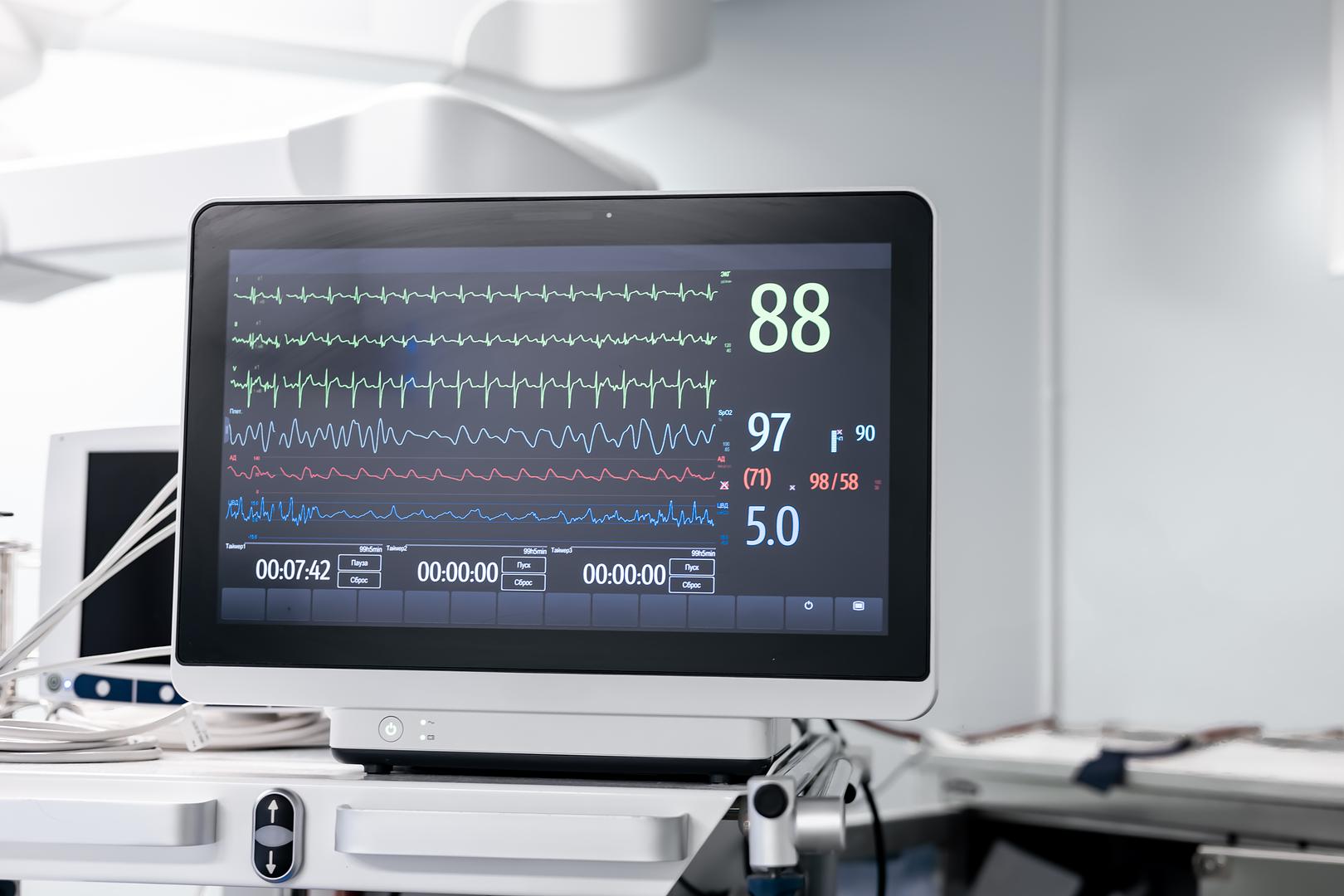
Medical equipment is at the center of modern care delivery. From diagnostic imaging systems and infusion pumps to sterilizers and patient monitors, every device influences clinical decisions, patient outcomes, and workflow efficiency. Yet many healthcare organizations focus primarily on acquisition—while the ongoing work of keeping equipment current, calibrated, and properly maintained receives less attention than it deserves.
Maintaining medical equipment up to date is not simply a technical requirement. It is a strategic responsibility that directly supports patient safety, regulatory compliance, cost control, and quality of care. Below is a practical look at why up-to-date medical equipment maintenance matters, what “up to date” truly means, and how facilities can build a sustainable maintenance program.
What “Up to Date” Means in Medical Equipment Maintenance
In a healthcare environment, “up to date” goes beyond whether a device still turns on. It typically includes:
- Preventive maintenance (PM) completed on schedule per manufacturer recommendations and risk-based intervals.
- Calibration and performance verification to ensure accuracy, repeatability, and safe operation.
- Software and firmware updates (including cybersecurity patches) applied as appropriate for the device and environment.
- Replacement of wear parts and consumables according to service life specifications.
- Documentation and service records maintained for audits, incident investigations, and asset planning.
- End-of-life planning for devices that can no longer be supported or reliably maintained.
Keeping medical equipment up to date is therefore an ongoing lifecycle practice rather than an occasional repair activity.
1) Patient Safety Depends on Reliable, Accurate Devices
Patient safety is the most critical reason to maintain up-to-date medical equipment. When devices drift out of calibration or deteriorate mechanically, the results can range from workflow disruption to clinically significant errors.
Consider common risk areas:
- Inaccurate readings from monitors, scales, or diagnostic tools can lead to incorrect treatment decisions.
- Flow rate deviations in infusion devices can cause under- or over-delivery of medication.
- Degraded seals, valves, or sensors can compromise ventilators, anesthesia machines, and sterilization equipment.
- Alarm failures or alarm fatigue stemming from poorly maintained equipment can increase response time to deteriorating patient conditions.
By staying current with preventive maintenance schedules, calibration checks, and manufacturer updates, organizations reduce the likelihood of preventable equipment-related incidents and support consistent clinical outcomes.
2) Compliance and Accreditation Require Documented Maintenance
Healthcare providers operate in a heavily regulated environment where evidence matters. Maintaining medical equipment up to date supports compliance with standards and expectations commonly associated with accrediting bodies and regulators (depending on your region and care setting). Even when regulations don’t dictate exact maintenance intervals for every device, organizations are often expected to demonstrate a controlled, documented maintenance program.
A strong program typically includes:
- Traceable service documentation showing what was done, when it was done, and by whom.
- Device inventory and asset identification (model/serial, location, risk classification).
- Defined maintenance procedures aligned to manufacturer guidance and clinical risk.
- Corrective action records for repairs, failures, and follow-up verification.
When equipment maintenance is not up to date, organizations can face audit findings, corrective action plans, or increased scrutiny—creating operational distractions and potential reputational risk.
3) Up-to-Date Equipment Reduces Downtime and Protects Capacity
Unexpected equipment failures disrupt schedules, reduce patient throughput, and force staff to improvise. In high-demand environments—such as imaging suites, operating rooms, and critical care units—downtime can cascade quickly into delays, rescheduling, and lost revenue.
A proactive maintenance approach improves equipment uptime by:
- Identifying wear or performance drift before it causes a failure.
- Ensuring replacement parts are installed at the right time, not after breakdown.
- Keeping software stable and compatible with connected systems.
- Reducing repeated “nuisance” faults that drain clinical and biomedical resources.
In short, preventive maintenance is often less expensive and less disruptive than reactive repairs—especially for critical devices that require specialized parts or vendor support.
4) Cost Control: Maintenance Is a Financial Strategy, Not Just an Expense
Medical equipment maintenance affects the total cost of ownership. Outdated or poorly maintained devices tend to cost more over time due to frequent repairs, inefficiencies, and increased risk of catastrophic failure.
Keeping equipment up to date helps financial performance by:
- Extending usable life where appropriate and safe, delaying large capital expenditures.
- Reducing emergency repair costs and after-hours service calls.
- Protecting warranties and service agreements that may require documented maintenance.
- Improving budgeting accuracy through predictable PM schedules and lifecycle planning.
For many facilities, the most effective approach is a combination of planned maintenance, risk-based prioritization, and clear replacement thresholds for aging assets.
5) Cybersecurity and Software Updates Are Now Part of Maintenance
As medical devices become more connected—integrating with electronic health records, PACS, and hospital networks—software and firmware updates increasingly influence safety and reliability. Unpatched vulnerabilities can create cybersecurity exposure that affects patient privacy, system availability, and even device functionality.
To keep medical equipment up to date in today’s environment, organizations should treat cybersecurity as a core maintenance component:
- Track software/firmware versions for network-connected devices.
- Coordinate updates with IT and clinical teams to minimize disruption.
- Assess vendor advisories and apply security patches using validated processes.
- Maintain segmentation and access controls for medical device networks where appropriate.
This collaborative approach reduces risk while supporting safe device interoperability and system performance.
Best Practices for a Sustainable Medical Equipment Maintenance Program
Whether you manage a hospital, clinic, ambulatory surgical center, or diagnostic lab, the same principles apply when building a dependable equipment maintenance process.
Create a Complete Asset Inventory
Start with an accurate list of devices: model, serial number, location, service history, risk level, and current support status. A well-managed inventory is the foundation for compliance, scheduling, and budgeting.
Use Risk-Based Preventive Maintenance Scheduling
Not all devices carry the same clinical risk. High-impact equipment should receive more stringent maintenance and verification. Combine manufacturer recommendations with real-world utilization and performance data.
Standardize Calibration and Performance Verification
Calibration ensures accuracy; performance verification ensures the device operates within expected tolerances. Define clear acceptance criteria and document results consistently.
Maintain Clear Service Records
Service documentation should be complete and easy to retrieve. Include work performed, parts replaced, test results, and post-service verification. Consistent records accelerate audits and improve root-cause analysis after failures.
Plan for End-of-Life and Obsolescence
Some equipment becomes hard to support due to discontinued parts, outdated operating systems, or vendor end-of-support notices. Establish replacement triggers (e.g., repeated failures, inability to patch, rising maintenance costs) and plan capital requests accordingly.
Train Users and Standardize Daily Checks
Many equipment issues are identified first by clinical users. Basic daily checks, correct cleaning procedures, and proper handling can prevent avoidable damage and reduce nuisance faults.
Conclusion: Up-to-Date Medical Equipment Is an Operational Advantage
Maintaining medical equipment up to date is one of the most effective ways to protect patients, strengthen compliance, and improve operational performance. It reduces downtime, supports accurate clinical decisions, and helps organizations manage costs over the equipment lifecycle.
By combining preventive maintenance, calibration, documentation, software updates, and lifecycle planning, healthcare leaders can turn equipment maintenance from a reactive burden into a measurable advantage—one that supports safer care and a more resilient organization.